

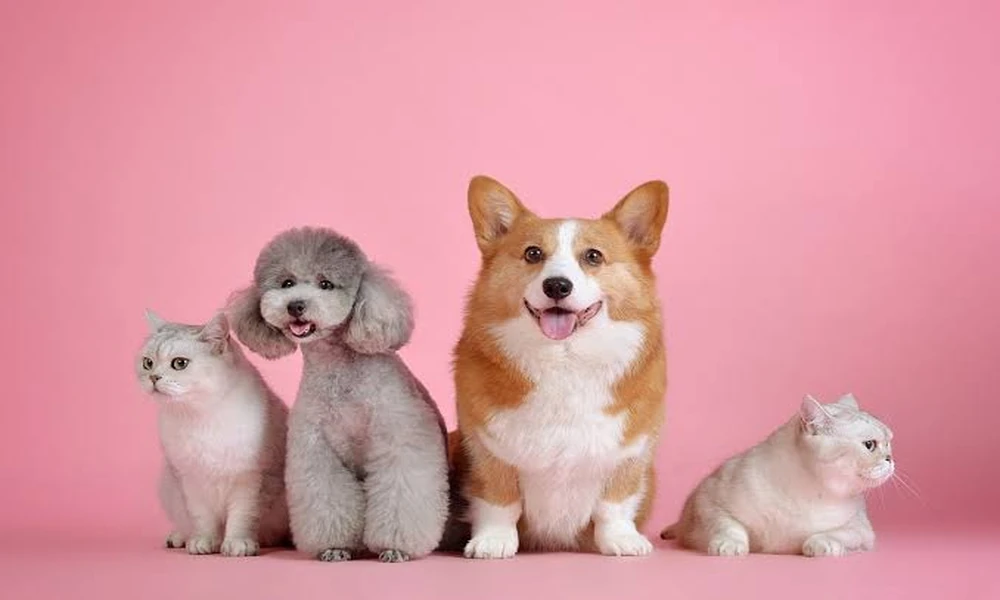
Dog grooming and cat grooming are the routine practices of cleaning, brushing, trimming, and maintaining a pet’s coat, skin, nails, ears, and teeth. The goal is health, not just appearance.
For dogs, grooming often includes bathing, brushing, haircuts, nail trims, and ear cleaning. For cats, it typically means brushing, nail trims, and occasional bathing, since cats already self-clean for most of the day.
Both routines matter because neglected coats trap dirt, parasites, and moisture. This can lead to skin infections, matting, or painful overgrown nails (American Veterinary Medical Association, 2023).
Dog Grooming: Core Steps and Tools
Dog grooming starts with brushing to remove loose fur and prevent mats, followed by bathing, drying, nail trimming, and ear checks. The exact routine changes based on coat length and breed.
Basic dog grooming kit:
· Slicker brush for detangling
· Undercoat rake for double-coated breeds
· Dog-specific shampoo (never human shampoo, which disrupts skin pH)
· Nail clippers or a grinder
· Cotton balls and ear cleaner solution
Double-coated breeds like Huskies and Golden Retrievers need de-shedding tools during seasonal shedding. Curly-coated breeds like Poodles need trims every 4-6 weeks to prevent painful matting (AKC, 2023).
Dogs with skin folds, such as Bulldogs, need the folds wiped and dried daily to prevent bacterial infections. Skipping this step is one of the most common grooming mistakes owners make.
Cat Grooming: Core Steps and Tools
Cat grooming focuses on brushing, nail trims, and light maintenance, since cats handle most cleaning themselves through daily self-grooming. Owners mainly need to manage shedding and prevent hairballs.
Basic cat grooming kit:
· Fine-tooth comb or rubber grooming glove
· Cat-specific nail clippers
· Grooming wipes for quick touch-ups
Long-haired breeds like Persians and Maine Coons need daily brushing to prevent mats around the belly and legs. Short-haired cats usually only need brushing once or twice a week.
Most cats resist water, so full baths are reserved for cases of medical need, extreme dirt, or fleas. Introducing brushing early, ideally as a kitten, makes cats far more tolerant of the process as adults (ASPCA, 2023).
Common Mistakes to Avoid with Dog Grooming and Cat Grooming
· Using human shampoo: It disrupts the pH balance of pet skin and can cause dryness or irritation in both dogs and cats.
· Skipping brushing between professional grooms: Mats form quickly in long-haired pets and can become painful, sometimes requiring shaving.
· Bathing cats too often: This strips natural oils and can lead to dry, flaky skin.
· Cutting nails too short: This hits the quick, causing pain and bleeding in both species.
· Ignoring ear cleaning: Buildup of wax and debris increases the risk of ear infections, especially in floppy-eared dog breeds.
Key Takeaways
· Dogs need more hands-on grooming, including regular bathing; cats mainly need brushing and nail care.
· Coat type, not just species, determines how often brushing and professional grooming are needed.
· Nail trims, ear cleaning, and skin checks are essential parts of grooming for both dogs and cats.
· Starting grooming routines early builds tolerance and makes each session easier for the pet and owner.