

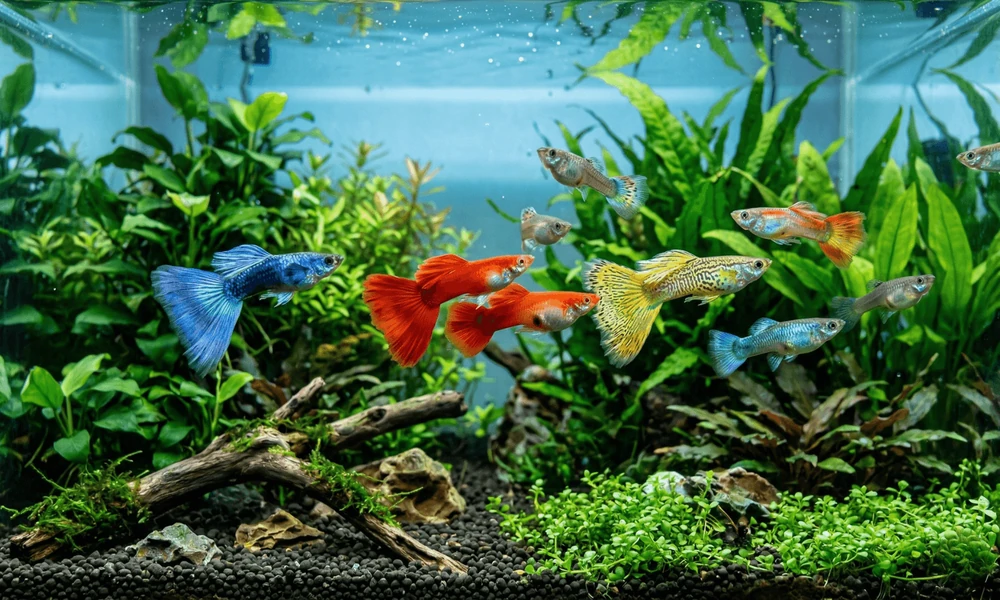
With so much colour and fin variation on offer, choosing guppies can feel overwhelming for first-time buyers. This guide breaks down what genuinely matters when making a decision.
What Makes a Healthy Specimen
Bright, alert eyes, undamaged fins, even colouration, and confident swimming are the baseline indicators of good health, regardless of colour or fin type on offer.
Understanding Fin and Colour Variety
From long-finned lyretail and veiltail varieties to the hardier, shorter-finned fantail types, fin shape affects both appearance and care requirements, with longer fins generally more prone to damage.
Where Reputable Sellers Source Their Stock
Specialist retailers offering guppy fish typically maintain dedicated quarantine systems, generally producing more consistently healthy stock than generic outlets carrying many unrelated species.
Setup Costs to Budget For
A tank of at least 40 litres, heater, gentle filter, and suitable planting represent the genuine cost of responsible ownership beyond the fish itself.
Common Mistakes First-Time Buyers Make
Buying before the tank has cycled, assuming an unheated tank is sufficient, and underestimating breeding rate account for the majority of early issues reported by new keepers.
Questions Worth Asking Before You Buy
How long has the fish been in stock, what water parameters is it kept in, and has it been eating normally are all reasonable questions a knowledgeable seller should answer confidently.
Final Thoughts
A little patience at the point of purchase, paired with a tank that’s genuinely ready, sets up a considerably better outcome than buying on impulse.
Understanding Price Ranges
Prices for guppy fish vary considerably depending on colour strain rarity, fin type, and the reputation of the breeder or seller behind a given group. Common colour and fin combinations are widely and cheaply available, while rarer patterns or show-quality bloodlines can command significantly more. Paying a premium isn’t automatically better value unless it reflects genuinely superior husbandry, so it’s worth judging condition over price alone.
Long-Term Costs Beyond Purchase
The purchase price is only the starting point. Ongoing costs include food, occasional water conditioner, replacement filter media, and electricity for the heater, none of which are individually expensive but which add up modestly over a typical lifespan. Factoring in these ongoing costs before buying gives a more realistic picture of what responsible ownership actually involves.
Comparing Sellers Before You Commit
General online marketplaces sometimes list guppy fish at attractively low prices, but they rarely offer the same level of quarantine practice or post-sale support as a specialist retailer. The lower upfront cost can end up more expensive in practice if it results in less healthy fish requiring extra care or an early replacement, so it’s worth weighing the full picture rather than price alone.
Keepers who return to the same trusted seller repeatedly often find the experience improves over time, as staff become familiar with their setup and can make more tailored recommendations. This is one of the underappreciated benefits of building a relationship with a specialist supplier rather than buying wherever happens to be cheapest on a given day.
Handling and Transport Home
Time spent in a bag matters more for guppy fish than for many hardier aquarium species, since a small volume of water shifts temperature and oxygen levels quickly. A short, direct journey followed by a gradual acclimatisation period of around fifteen to thirty minutes gives the best possible start rather than releasing fish immediately into unfamiliar conditions.
It’s also worth asking a seller whether the specific group you’re buying has been kept as a mixed-sex or single-sex tank, since that affects whether you’re likely to see fry within the first few weeks of bringing them home, which matters if you haven’t yet decided how you want to manage breeding.
Weighing Overall Value
The purchase price of guppy fish is typically the smallest cost across a full two to three year lifespan once equipment is accounted for. Framed this way, it rarely makes sense to save a few pounds on the fish while cutting corners on tank size or heating, since the ongoing costs of proper equipment are the same regardless of which specimens end up living in it.
A final consideration worth raising with any seller is how the group was raised, since fish grown out in spacious, well-planted conditions tend to display better colour and more robust health than those raised in crowded, purely commercial breeding setups.
Seasonal Availability
Availability of specific colour strains and fin types for guppy fish can fluctuate through the year, with certain patterns becoming harder to find during periods of high demand. Patience is often rewarded here, since a seller who doesn’t currently have exactly what you want may well receive new stock within a few weeks.
After the Sale: What to Expect
The first 48 hours after bringing new fish home are typically the most delicate, as they adjust to a new tank, water chemistry, and routine. A period of reduced activity or appetite during this window is common and not usually a cause for alarm, provided steady improvement follows over the next few days.
One final practical point: don’t hesitate to ask a seller directly whether a specific group of guppy fish has been kept alongside other fish and how they’ve behaved, since this can reveal useful information about temperament that isn’t always obvious from a few minutes of observation through the glass.
A closing thought worth bearing in mind: the healthiest-looking guppy fish in a tank isn’t always the most brightly coloured one. Confident swimming, steady appetite, and undamaged fins matter more than a slightly duller colour pattern, and a fish chosen on those grounds tends to reward a keeper with better long-term condition regardless of how it looked on the day of purchase.
Thinking Beyond the First Purchase
Many keepers find that their first group of guppy fish sparks a longer-term interest in the wider hobby, whether that means experimenting with different plant species, trying a dedicated breeding project, or simply expanding into a second tank. Buying with that possibility in mind, rather than treating the first purchase as a one-off, often shapes decisions about tank size and equipment quality for the better.
It’s also worth building a loose relationship with whichever seller you choose, since a supplier familiar with your setup and preferences over time tends to give more useful, specific advice than a one-off transaction ever could.
Reading Between the Lines of a Listing
A listing for guppy fish that includes specific details, such as exact water parameters, age, or breeding history, generally reflects a more attentive seller than one offering only a generic description and a price. Taking a moment to compare the level of detail across a few listings before buying is a simple but genuinely useful filter.
It’s also worth remembering that photographs, however attractive, don’t always reflect the exact individual you’ll receive, particularly when buying from stock listings rather than photos of a specific fish. Asking directly whether the photo shown is the actual fish for sale is a reasonable and increasingly common question in online transactions.
Setting Expectations for the First Few Weeks
New guppy fish typically take two to four weeks to fully settle into a new tank, during which colour, confidence, and activity level all tend to improve gradually. Judging a purchase too quickly, before that settling period has passed, can lead to an unfairly negative impression of otherwise perfectly healthy stock.
It’s worth revisiting your original buying criteria periodically as you gain experience, since preferences around colour, fin type, and even group size often shift once a keeper has spent real time observing their fish in a home setting rather than a shop display.
Building Confidence as a Buyer Over Time
The first purchase of guppy fish is often the one that feels most uncertain, simply because there’s no personal experience yet to draw on. Each subsequent purchase tends to feel more straightforward, as a keeper develops a clearer sense of what healthy stock looks like and which sellers consistently deliver it.
Trusting that gradually built experience, rather than second-guessing every decision as though starting from scratch each time, makes the whole process considerably less stressful and more enjoyable for keepers who go on to expand their collection over subsequent months and years.
A final thought worth carrying into any purchase of guppy fish: the best buying decisions tend to come from patience rather than urgency. There will always be another seller, another batch, and another opportunity, so there’s rarely a good reason to rush a decision that will affect the health of a living animal for the next two to three years.
In short, buying well comes down to preparation, patience, and a willingness to walk away from a purchase that doesn’t feel right, whether that’s for guppy fish or any other species worth taking seriously. None of this needs to feel complicated in practice, provided the core habits above become second nature over your first few purchases.
With the right preparation, this remains one of the most accessible and rewarding species for UK freshwater keepers, regardless of prior experience.