

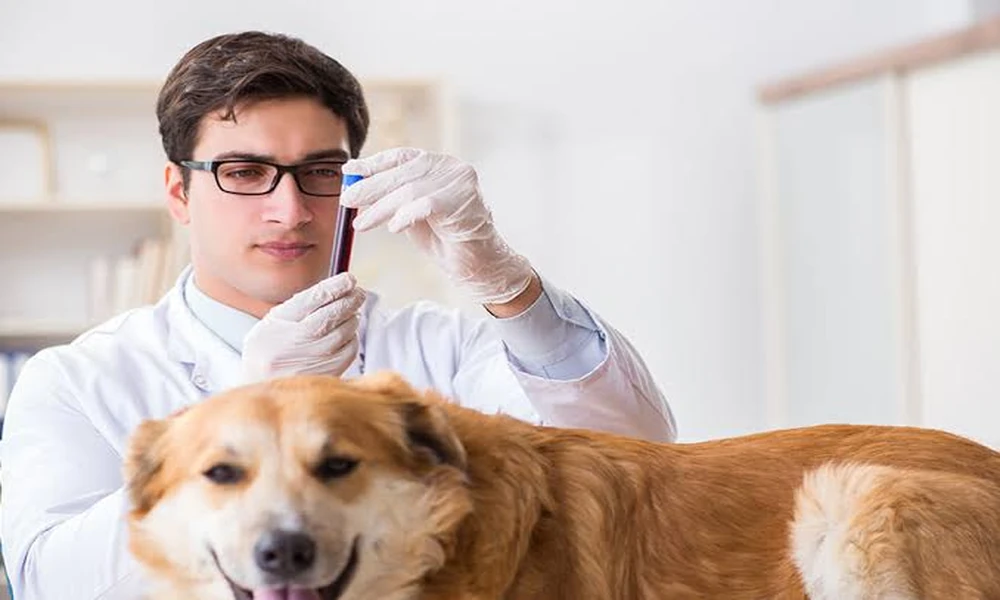
You were probably hoping for a quick answer, not a report filled with medical terms that make your stomach drop. When your veterinarian says a tissue sample was sent out and the results are back, your mind often jumps straight to the worst case. That reaction is normal. At a full-service veterinary hospital in Langley, a histopathology report can answer major questions about a lump, growth, skin lesion, or internal mass, but it can also leave you staring at words you do not use in daily life.
The good news is that you do not need to understand every line on your own. You need to know what the findings mean for your pet, what is certain, what is still unclear, and what happens next. These questions to ask about your pet’s histopathology report can help you have a calmer, more useful conversation with your animal hospital and make decisions with less guesswork.
Your pet’s histopathology report explains more than a diagnosis
Histopathology is the study of tissue under a microscope. A pathologist examines the sample, describes what the cells look like, and determines whether the tissue is benign, malignant, inflamed, infected, or showing another process. If you want a sense of how veterinary pathology labs approach this work, Cornell’s overview of anatomic pathology testing and Auburn’s histopathology laboratory services show the scope of what these labs evaluate.
The report is not only about naming a condition. It may also comment on surgical margins, tumor grade, tissue type, inflammation, and whether the sample answers the whole question. That last part matters. Sometimes the report is clear and final. Sometimes it points to the next test your veterinarian recommends.
If your pet had a mass removed, one word in the report can change the plan from “just monitor” to “schedule more treatment.” If the sample came from skin, ear, intestine, or liver tissue, the report may guide medication choices, follow up imaging, or referral to a specialist. That is why a short phone call about “the pathology results” can carry so much weight.
The five questions that make a pet biopsy report easier to understand
1. What is the exact diagnosis, in plain language?
Start here. Ask your veterinarian to translate the final diagnosis into everyday words. Is this cancer, a benign growth, inflammation, infection, or something reactive that formed after irritation or injury? The medical term matters, but the plain meaning matters more. You need to know what your pet actually has, not just what the cells are called.
2. Is it benign or malignant, and how aggressive does it appear?
A diagnosis alone does not tell you how worried to be. Some cancers grow slowly and stay local. Others spread early or return after surgery. Ask whether the report mentions grade, mitotic rate, invasion, or other signs of behavior. If your veterinarian says the findings are low grade, that often points to a different outlook than a high grade tumor, even when both are technically malignant.
3. Were the margins clean?
If a mass was removed, this question is central. Clean margins mean the pathologist did not see abnormal cells at the edges of the tissue submitted. Dirty or incomplete margins mean abnormal cells extend to the edge, which raises concern that some of the growth may still be in your pet’s body. This is one of the most practical parts of a pet histopathology report because it helps shape the next step. Your veterinarian may recommend monitoring, another surgery, radiation, or a referral based on this finding.
4. Do we need more testing to understand the full picture?
Sometimes the tissue answer is only part of the story. A malignant tumor may lead to chest X rays, ultrasound, lymph node sampling, bloodwork, or staging tests. A biopsy showing chronic inflammation may lead to diet trials, cultures, or immune related treatment. If the sample was small or the findings were mixed, your veterinarian may suggest another biopsy or review by a specialist in veterinary pathology.
5. What does this mean for my pet’s quality of life and timeline?
This is often the question sitting under all the others. You want to know what changes now. Will your pet need another procedure soon, long term medication, rechecks every few months, or no treatment at all? Ask what signs to watch for at home, how quickly decisions need to be made, and what the best case and likely case look like. A clear answer helps you plan, financially and emotionally.
The report findings often shape treatment, cost, and urgency
The hardest part is that two reports can sound similar and lead to very different plans. One dog may have a benign lipoma removed with no further care. Another may have a soft tissue sarcoma that looks controlled on the surface but has narrow margins, which means another surgery is worth discussing. A cat with intestinal biopsies may have inflammatory bowel disease, or the changes may raise concern for lymphoma. The wording matters because the treatment path changes with it.
That uncertainty is what makes people freeze. You hear one unfamiliar term, then miss the next three minutes of the conversation. Asking the same five questions each time gives you a frame to hold onto.
Key parts of a veterinary pathology report and what they often mean
| Report Term | What It Often Means | What To Ask Next |
|---|---|---|
| Benign | Not cancerous and less likely to spread | Does it need monitoring or is treatment complete? |
| Malignant | Cancerous and may invade or spread | Has staging been recommended? |
| Clean margins | No abnormal cells seen at the tissue edges submitted | What follow up schedule do you recommend? |
| Incomplete margins | Abnormal cells extend to the edge, suggesting residual disease | Should we consider more surgery or referral? |
| Low grade | Often slower growing or less aggressive behavior | What is the expected outlook? |
| High grade | Often more aggressive behavior | How urgent is the next step? |
| Inflammation | Tissue is reacting to injury, infection, allergy, or immune disease | Do we know the cause and best treatment? |
Three steps you can take before your next call with the animal hospital
Ask for a copy of the report. Read the diagnosis and impression sections, then circle unfamiliar terms. You do not need to decode the whole document. You need a copy in front of you so you can ask focused questions and remember the answers later.
Write down your pet’s recent changes. Appetite, energy, weight, vomiting, coughing, pain, healing at the surgery site, and any new lumps all matter. The report is one piece of the story. Your day to day observations help your veterinarian connect the lab findings to your pet’s actual condition.
Request a clear next step with a timeline. Ask whether the plan is monitor, test, treat, or refer, and ask when that should happen. A vague “we’ll keep an eye on it” feels unsettling because it leaves too much unsaid. A real plan sounds more like “recheck in six weeks” or “schedule chest imaging this week.”
Clear answers help you make calmer decisions
5 questions to ask about your pet’s histopathology report can turn a stressful result into a conversation you can actually use. You do not need to carry the whole report in your head. You need to understand the diagnosis, the behavior of the condition, whether the tissue was fully removed, whether more testing is needed, and what your pet’s life looks like from here.
If your pet’s biopsy results or veterinary pathology report left you confused, contact your animal hospital and ask for a results review. A direct conversation now can spare you days of worry and help you move forward with more confidence.