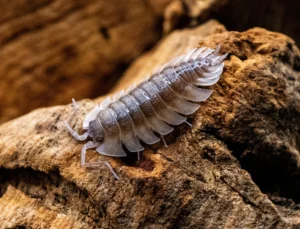
The Role of Isopods in Natural Ecosystems and Soil Health
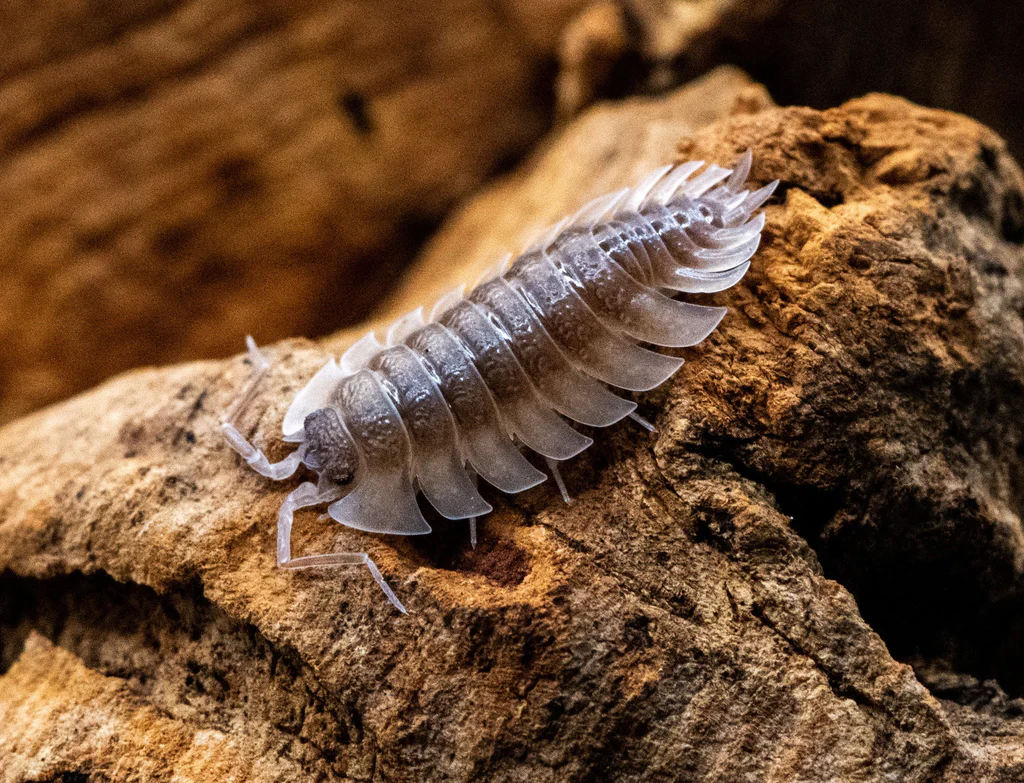
Isopods play a significant part in maintaining balance within ecosystems. These small creatures contribute heavily to decomposition processes essential for enriching soil fertility. Their daily activities break down organic matter efficiently, which improves nutrient availability for plants. One common type illustrates how vital these organisms are in natural surroundings, and Postpods perfectly reflects this positive connection through its inspiring presence.
Importance of Organic Decomposition
Isopods help break organic materials into smaller sections, which accelerates decomposition. By consuming leaves and wood fragments, they encourage quicker recycling of nutrients. Their presence enhances soil structure, allowing roots to absorb essential elements. This recycling aids many soil organisms in thriving within healthy environments.
Contribution to Soil Structure
It improves soil texture through their burrowing actions, making soil more porous. This allows better water penetration and promotes root growth effectively. Their activities reduce soil compaction maintaining balance and resilience. Healthy soil supports plant development over time.
- Burrowing creates channels boosting water flow in soil layers.
- Loosens tight areas, aiding root spread for stronger plants
- Improves air movement essential for soil life forms
- Retains moisture levels, supporting steady growth patterns
- Enhances particle mixing for a durable soil foundation
Role in Nutrient Cycling
Isopods feed on dead plants, converting them into usable nutrients quickly. Their digestion releases nitrogen and phosphorus into the soil naturally. This boosts fertility without harming surroundings. Dairy cow woodlice contribute widely to this process, aiding plant health.
Interactions with Other Organisms
It interacts with fungi and bacteria, influencing soil activities positively. They spread helpful microbes, supporting overall health indirectly. Their presence fosters diverse ecosystems where species thrive together. Balanced interactions strengthen community functions below ground.
Indicators of Environmental Health
These are responds fast to habitat changes, serving as key indicators. Population levels show soil quality and contamination clearly. Monitoring them reveals conditions needing care or protection. Their status guides efforts for better land management.
These creatures build ecosystem strength through steady contributions. Promoting suitable habitats sustains nutrient flows and ground quality. Simple practices enhance their work, leading to lasting benefits for nature. Clear awareness drives better care methods forward.
FAQs
How do isopods aid soil nutrient release?
Isopods break down matter, freeing elements like nitrogen for plants.
Why track isopod numbers in soil?
Isopod counts signal pollution or health issues in ground areas.
What benefits come from isopod activity?
Isopods recycle waste improving texture and fertility for growth.