

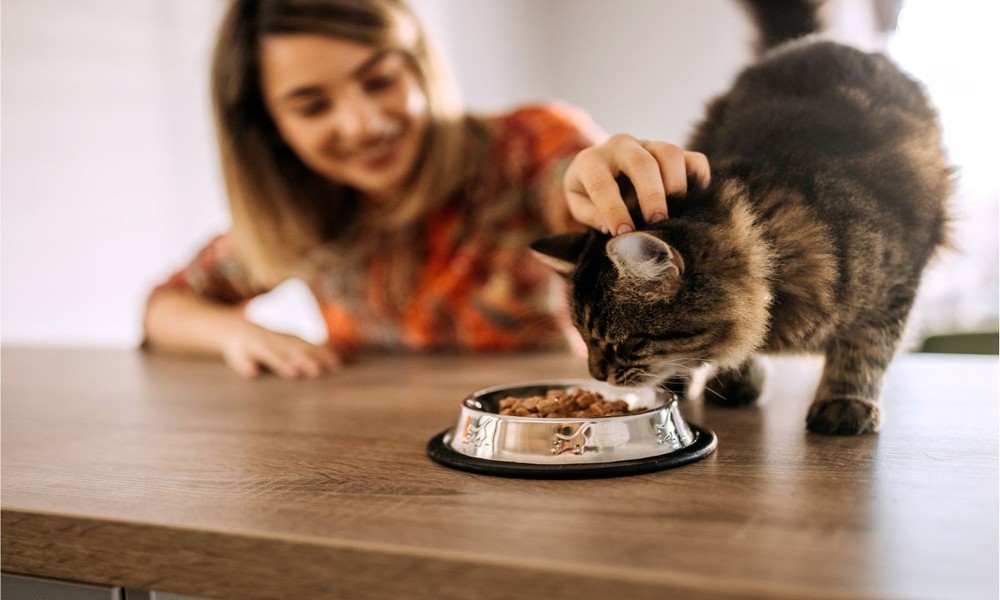
Cats require accurate proportions of protein, fat and carbohydrates, vitamin and minerals in order to flourish. Eating well helps in ensuring that one has a shiny coat as well as a strong immune system. This article describes the science of recommendation of quality cat food. This knowledge of the principles will enable the owners of the felines to select the food that actually nourishes them.
Learning about quality cat food recommendations
Protein quality and quantity
Cats are obligate carnivores which implies that they need animal tissue to acquire vital nutrients. Animal proteins of high quality supply the cat with the amino acids that the cat is unable to synthesize. The following are the protein factors that constitute the good cat food:
- Animal-based sources: Chicken, turkey, fish, and egg provide complete amino acid profiles required by cats on a daily basis.
- High digestibility: Quality proteins can be easily digested and thus the cats get to digest more nutrients with less food.
- Appropriate levels: Active adults and growing kittens require greater amounts of protein as compared to inactive seniors.
- Essential amino acids: Taurine, an amino acid, which is available in animal tissues only, prevents heart and eye diseases.
- No fillers: Plant proteins of corn or wheat do not substitute animal proteins in the diet of a cat.
Fat for energy and skin health
Cats get the highest concentration of energy in the form of dietary fat. Fatty acids are also good in keeping the skin healthy and having a shine on its coat. The following are the considerations of fat in balanced cat food:
- Omega-3 fatty acids: Fish oils decrease inflammation and help to maintain the brains of cats of any age.
- Omega-6 fatty acids: Chicken fat and vegetable oils keep the skin moist and coats the soft tissue.
- Energy density: Fat has over two times the number of calories per gram compared to protein or carbohydrates.
- Palatability boost: Fat will make the food more tasty and picky eaters will eat the necessary amount of calories.
Controlled carbohydrates and fibre
The cats have no nutritional need of carbohydrates yet there are a few carbs that can be of some use as a cat food. Fibre assists in the functioning of the gut and hairballs. The balanced cat nutrition factors on carbohydrates are these:
- Low sugar content: Cats do not have receptors of the sweet taste and therefore, sugars do not provide any value to them.
- Digestible grains: Rice and corn are sources of energy, but they contain no risks of raw grain food.
- Insoluble fibre: Cellulose and wheat bran push hair through the digestive tract and decrease hairballs.
- Soluble fibre: Beet pulp and psyllium contain fibres that feed the beneficial gut bacteria and aid in the immune system.
- Controlled portions: Carbohydrates are not to be the primary component of calories but a small percentage thereof.
A look at the frequently asked questions
Which nutrient is the most necessary in cat food?
Animal protein of high quality is the highest priority since cats will not survive in absence of the same.
Is cat food that is grain-free superior to grain based food?
No, grain free has no established advantages to the majority of cats and it could be deficient in some of the nutrients.
What is the amount of protein required on a daily basis by an adult cat?
The minimum protein maintenance in adult cats is twenty six percent on a dry matter basis.
Why should the cats take the taurine supplements?
Cats are unable to synthesize taurine and therefore, they have to obtain it through their food in order to avoid a disease.
Conclusion
Balanced nutrition will be the force behind cat food recommendations (貓糧推薦) due to high quality protein, right fats, moderate carbohydrates, essential vitamins, and adequate moisture. All are nutrients that have a certain role to play in ensuring the health of the cats in every part of the body. Making balanced choices in the selection of foods provides the basis of a long healthy life of cats.