

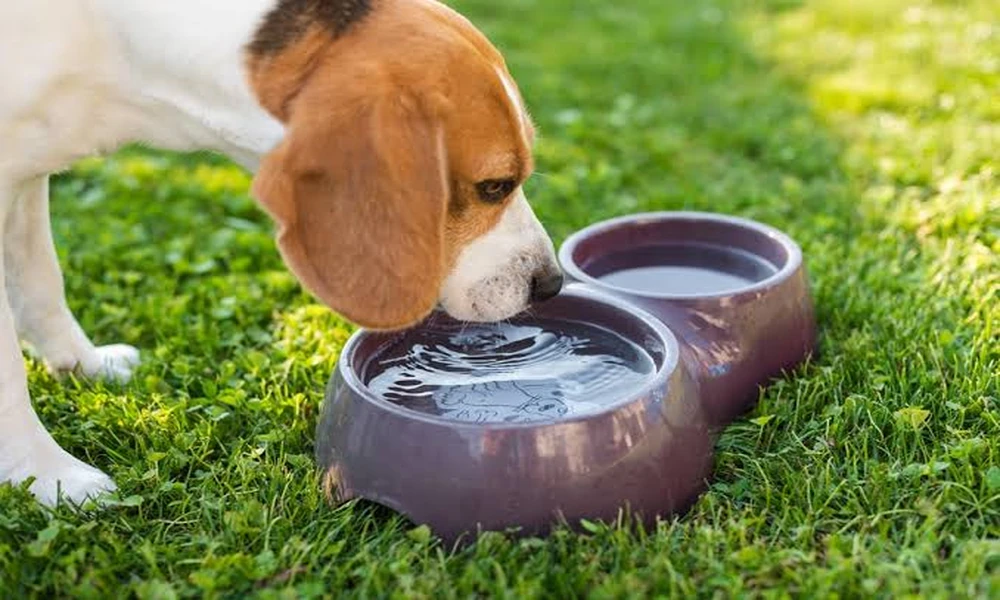
Keeping your dog properly hydrated is essential for maintaining good health and overall well-being. Water supports digestion, regulates body temperature, and helps maintain normal organ function. However, choosing the right water bowl can significantly influence your dog’s drinking habits. With various materials, designs, and automatic options available, finding the perfect solution requires careful consideration.
Understanding different types of dog water bowls and their features can help you create a comfortable, hygienic drinking environment for your furry companion.
Why Choosing the Right Dog Water Bowl Matters
A water bowl is more than just a container for drinking water. Its design, material, size, and cleanliness can affect how comfortably your dog drinks throughout the day.
Some dogs prefer wide, shallow bowls, while others may benefit from elevated designs or flowing water. Selecting an appropriate drinking solution can encourage regular water consumption and make daily maintenance easier.
A well-designed water bowl should provide convenient access to fresh water while minimizing spills, dirt accumulation, and bacterial growth.
Different Types of Dog Water Bowls
1. Stainless Steel Water Bowls
Stainless steel bowls are popular because of their durability, practicality, and ease of cleaning. They resist rust when properly maintained and are generally less likely to retain odors than some plastic alternatives.
Many stainless steel bowls feature non-slip bases that help prevent movement during drinking. They are suitable for dogs of different breeds and sizes.
2. Ceramic Water Bowls
Ceramic bowls offer a sturdy and attractive drinking solution. Their heavier construction helps prevent accidental tipping, especially for energetic dogs.
High-quality ceramic bowls with food-safe, intact glazing are relatively easy to maintain. However, chipped or cracked bowls should be replaced because damaged surfaces can trap contaminants.
3. Plastic Water Bowls
Plastic bowls are lightweight, affordable, and convenient for travel. They come in various colors and designs, making them accessible to most pet owners.
However, plastic surfaces may develop scratches over time, creating areas where residue can accumulate. Regular inspection and replacement are important for maintaining cleanliness.
4. Automatic Water Fountains
Automatic water fountains circulate water through a pumping system, often incorporating filters to capture debris. Some dogs are attracted to moving water, making these devices a useful alternative to traditional bowls.
Pet owners exploring modern 犬 水飲み 器 options can consider features such as wireless placement, quiet operation, filtration systems, and convenient cleaning. Always verify that a particular fountain is suitable for your dog’s size and drinking needs.
Important Features to Consider When Buying a Dog Water Bowl
Size and Water Capacity
The bowl should accommodate your dog’s size and daily drinking requirements. Larger dogs generally need greater water capacity, while smaller breeds may prefer shallower containers.
Choose a design that provides easy access without requiring uncomfortable head or neck positioning.
Material Safety and Durability
Select bowls manufactured from pet-safe materials. Stainless steel and properly glazed ceramic are practical choices for long-term use.
Avoid containers with sharp edges, damaged coatings, or surfaces that are difficult to clean.
Ease of Cleaning
Regular cleaning helps prevent biofilm, unpleasant odors, and contamination. Look for smooth surfaces, removable components, and dishwasher-safe materials where applicable.
Automatic fountains require additional maintenance, including pump cleaning and filter replacement according to manufacturer instructions.
Stability and Noise Level
A stable, non-slip base helps reduce spills and movement. For automatic fountains, quiet operation may be particularly important for noise-sensitive dogs.
Benefits of Automatic Water Fountains for Dogs
Automatic fountains offer several potential advantages over conventional water bowls.
Continuous water circulation: Moving water may appeal to dogs that show interest in flowing water.
Filtration: Built-in filters can help remove certain particles and debris, depending on the filtration system.
Convenient access: Appropriate reservoir capacity can reduce the frequency of refilling, although water levels still require daily checking.
Flexible placement: Some wireless designs offer greater freedom when arranging a pet-friendly drinking area.
Despite these benefits, automatic fountains still require regular cleaning and fresh water replacement.
Tips for Encouraging Your Dog to Drink More Water
Place drinking stations in quiet, easily accessible locations. Keep water fresh, clean the bowl daily, and provide additional drinking points in larger homes.
During warmer weather or after physical activity, ensure your dog has convenient access to sufficient water. If your dog suddenly drinks significantly less or more than usual, consult a veterinarian.
Conclusion
Choosing the best water bowl for your dog involves balancing comfort, hygiene, durability, and convenience. Stainless steel and ceramic bowls offer reliable everyday solutions, while automatic fountains provide additional features such as circulation and filtration.
Consider your dog’s individual preferences, size, and drinking habits before selecting a product. With the right drinking setup and consistent maintenance, you can support healthy hydration and make fresh water readily available to your beloved companion.