

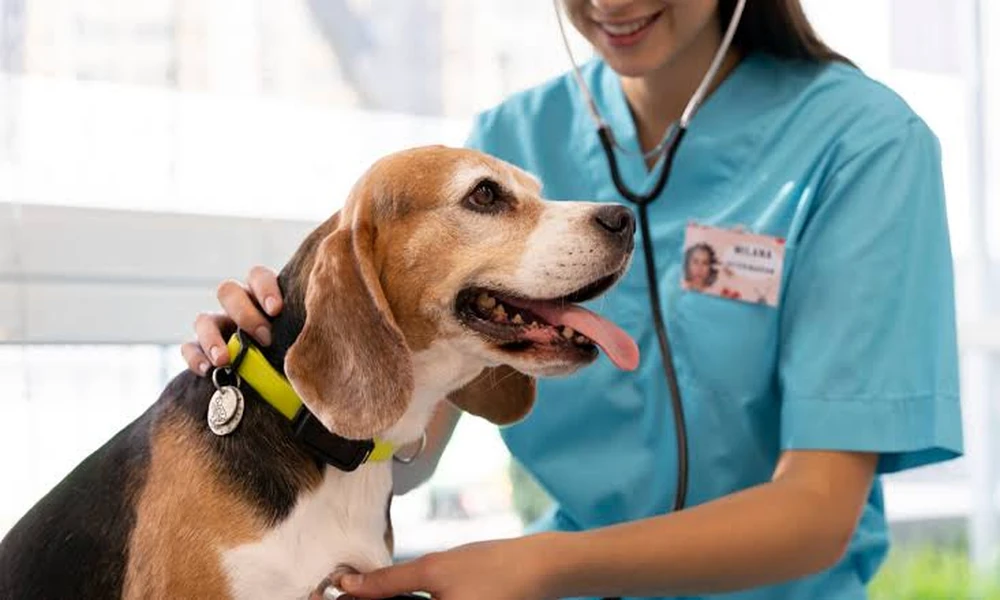
You brought your dog home expecting a learning curve, not a steady hum of doubt. Then something feels off. Your puppy is limping, breathing loudly, scratching nonstop, refusing food, crying when picked up, or just acting unlike the bright, curious dog you thought you were getting. You mention it, and the answer comes back fast: it’s normal for the breed. That can leave you stuck between wanting to trust the person who bred your dog and the uneasy feeling that something is not right. A Richmond, VA veterinarian can help you figure out what is truly normal and what may need medical attention.
That tension is real. Breed traits do exist. Some dogs are louder breathers, some have skin folds that need extra care, some are more prone to joint issues or sensitive stomachs. A breed tendency is not the same thing as a free pass for pain, distress, or decline. If your dog seems uncomfortable, struggles with basic functions, or shows a sudden change, you are not overreacting by wanting an exam at an animal hospital. You are paying attention.
Breed traits can be real, but “normal” can hide a medical problem
This is where many owners get tangled up. A breeder may have deep knowledge of a line or a breed standard, but that does not replace a physical exam, diagnostics, or emergency judgment. “They all walk like that,” “bulldogs snore,” “small breeds shake,” or “shepherds have sensitive digestion” can sound reassuring until your dog is the one losing weight, avoiding stairs, vomiting, collapsing, or yelping when touched.
The hardest part is that some health problems do overlap with breed stereotypes. A flat faced dog may make noise when breathing, but labored breathing is still a problem. A large breed puppy may be clumsy, but persistent limping is not something to write off. A dog with droopy eyes may always look a little red, but discharge, squinting, or pawing at the face needs attention. The label of “normal for the breed” often delays care, and delays can turn a manageable issue into a more expensive and more serious one.
You may also feel pressure not to seem difficult. If the breeder sounds confident, owners sometimes second guess themselves. They wait another week. Then another. Meanwhile the dog keeps showing you the same thing in quieter ways, sleeping more, eating less, not playing, hiding, pacing, snapping when handled. Dogs do not use words, so pain often shows up as behavior first. Cornell’s guide to recognizing pain in dogs lays out signs many people miss, including posture changes, reluctance to move, and shifts in mood.
Your instincts matter when symptoms keep showing up
You live with your dog. You see the small changes no one else sees. You know if the zoomies stopped, if the water bowl is suddenly empty by noon, if the stairs became a battle, or if your dog no longer settles at night. That day to day knowledge matters.
There is also a practical side to this. Waiting can cost more. A mild ear infection can become a ruptured eardrum. A soft limp can turn into a more painful orthopedic injury when a dog keeps compensating. Stomach upset can shift into dehydration. Toxin exposure can look mild at first, then become urgent. If you suspect your dog got into something dangerous, Cornell’s page on first aid for poisonous substances is a useful starting point while you seek care.
When to trust your gut and call a vet anyway comes down to function and comfort. If your dog cannot breathe normally, eat normally, walk normally, urinate normally, or rest normally, that is enough reason to call. If the symptom is getting worse, returning often, or paired with lethargy, pain, vomiting, diarrhea, fainting, swelling, or behavior changes, it is time. A breeder’s opinion can be one piece of background, not the final word.
Common “normal for the breed” claims and what they can actually mean
| Claim you may hear | What owners often see | What it could mean | Best next step |
|---|---|---|---|
| “This breed always breathes like that” | Snoring, open mouth breathing at rest, exercise intolerance, gagging | Airway obstruction, heat stress, respiratory disease | Schedule a veterinary exam promptly, seek urgent care if breathing looks labored |
| “Large breed puppies are just clumsy” | Limping, bunny hopping, stiffness after rest, avoiding stairs | Joint disease, injury, growth related orthopedic problems | Limit rough activity and book an exam |
| “Small dogs always shake” | Trembling, hiding, panting, crying when touched | Pain, fear, low blood sugar, neurologic issues | Check for other symptoms and call your animal hospital |
| “That skin is normal for the breed” | Redness, odor, constant licking, hair loss, sores in folds | Allergies, skin infection, yeast overgrowth, parasite issues | Seek treatment before it worsens |
| “They all have sensitive stomachs” | Frequent vomiting, chronic diarrhea, poor weight gain | Parasites, dietary intolerance, obstruction, systemic illness | Do not normalize chronic GI signs, get an exam |
Clear steps you can take today
1. Write down what you are seeing. Note when the symptom started, how often it happens, what makes it worse, and any changes in appetite, energy, sleep, bathroom habits, or behavior. A short video of coughing, limping, breathing, or odd movements can help a veterinarian far more than a vague description.
2. Separate breed quirks from loss of function. A quirk is a harmless habit or physical trait that stays stable. A medical problem tends to interrupt normal life. If your dog avoids play, struggles to recover after activity, cries out, stops eating, wakes up restless, or cannot settle comfortably, that points toward care, not reassurance. This is especially true if you are dealing with breed-related dog health concerns that are common enough to be dismissed.
3. Call for professional guidance early. You do not need to wait until things look dramatic. Describe the symptoms, your dog’s age, breed, and how long this has been going on. Ask whether your pet should be seen today, this week, or at an emergency clinic. A quick call to a veterinary team can give you a safer next step than online guessing or repeated breeder reassurance.
Getting a second opinion is responsible pet care
No one wants to believe there may be a health issue right after bringing home a dog. No one wants conflict with a breeder either. Still, your first job is not to protect someone else’s opinion. It is to protect your dog. “Normal for the breed” warning signs are still warning signs when your dog is in pain, struggling, or changing in ways that do not feel right.
If your instincts keep nudging you, listen. Call an animal hospital, explain what you are seeing, and get your dog checked. Peace of mind is worth it, and early care often makes all the difference.