

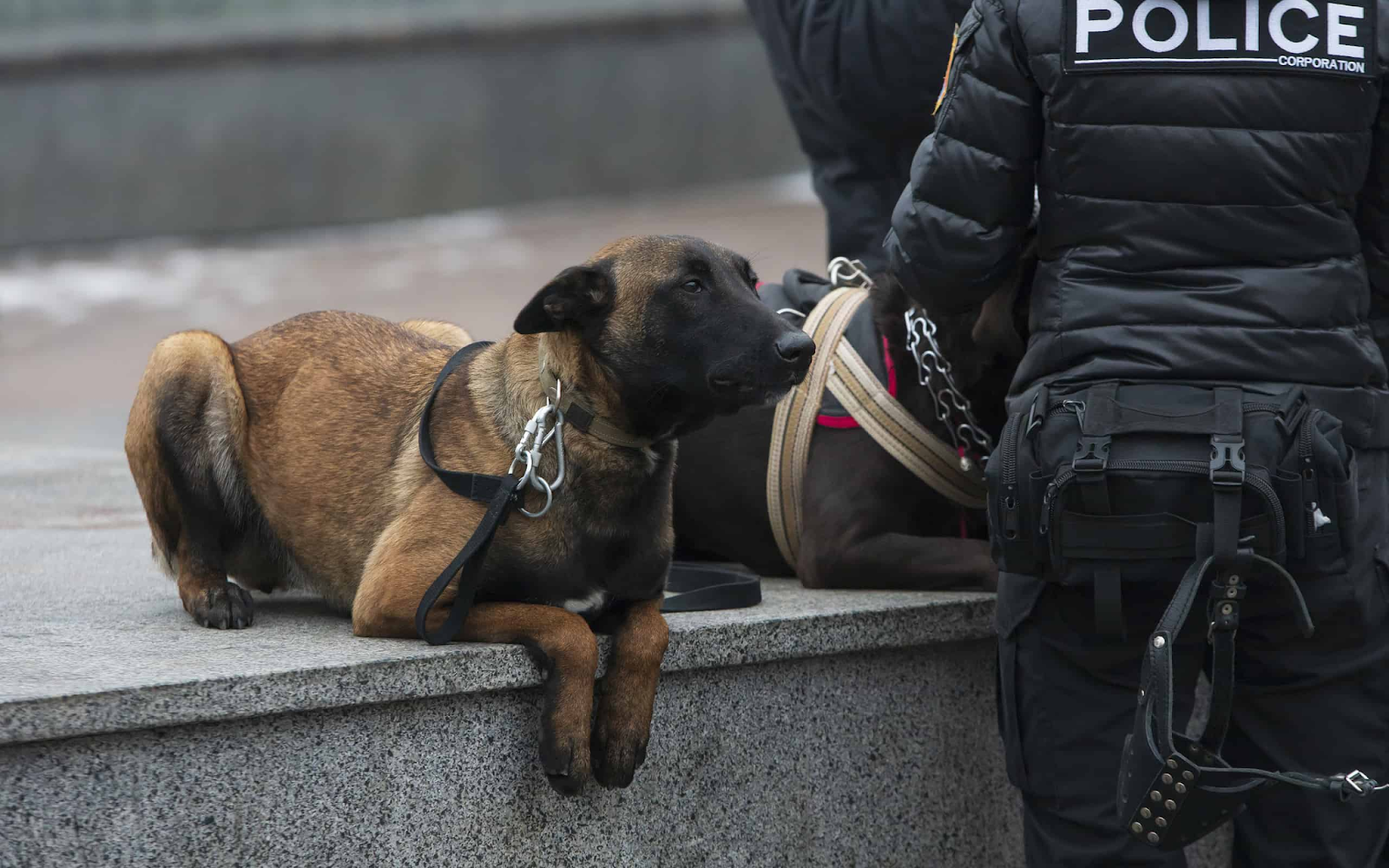
Police work requires specialized skills, and similarly, police dogs must be specifically bred and trained to perform highly demanding tasks. These dogs come from generations selectively bred for traits that make them suitable for law enforcement work. Not every dog has the abilities or temperament required, which is why only certain breeds are chosen for police training and why you need to go to a specialist like Scott’s K9 when searching for police dogs for sale.
Common Breeds Used as Police Dogs
Several breeds are commonly selected for police work due to their intelligence, work ethic, and trainability. These include Belgian Malinois, German Shepherds, Bloodhounds, Dutch Shepherds, and Labrador Retrievers. These breeds excel in following commands, cooperating closely with handlers, and, in some cases, showing the courage and tenacity needed to apprehend dangerous suspects. Some police dogs are trained for a single purpose, while others are dual-purpose and capable of performing a variety of tasks.
Apprehension
One of the most recognized roles of a police dog is suspect apprehension. Dogs trained in this discipline are taught to restrain dangerous individuals, often putting themselves in harm’s way to protect their human partners. Herding breeds such as Belgian Malinois, German Shepherds, and Dutch Shepherds are particularly suited for this work due to their physical strength, intelligence, and instinct to control movement. These dogs must remain stable and act only on the command of their handler, ensuring safety while effectively restraining a suspect.

Detection
Dogs’ extraordinary sense of smell makes them invaluable in detecting criminal activity. With hundreds of millions of scent receptors, police dogs can identify drugs, explosives, accelerants used in arson, and other evidence that humans may miss. These dogs are deployed in airports, border checkpoints, large public events, and during routine traffic stops. Military-trained dogs also detect landmines, protecting personnel in hazardous areas. Their olfactory abilities provide law enforcement with a reliable method for identifying hidden dangers.
Search and Rescue
Another critical role for police dogs is search and rescue operations. These dogs are trained to locate missing persons, kidnapped victims, or deceased individuals. They can search through disaster rubble following explosions, earthquakes, or other catastrophes, and cover vast areas of forests, mountains, or bodies of water to locate people in distress. Their speed, endurance, and keen senses allow them to work efficiently in environments where human searchers might be limited, providing precise and timely assistance in rescue operations.
Conclusion
Police K-9 dogs play an essential role in modern law enforcement, not only enhancing the effectiveness of police operations but also ensuring the safety of both officers and the public. Their unique combination of specialized training, intelligence, and natural instincts allows them to perform tasks that would be challenging or impossible for humans alone. From apprehending suspects to detecting hidden threats and assisting in search and rescue missions, these dogs significantly extend the capabilities of law enforcement teams.
Investing in the training and care of police K-9 units also fosters stronger partnerships between dogs and their handlers. This bond ensures that operations are carried out efficiently, with clear communication and trust at the forefront. As law enforcement continues to evolve, police K-9 dogs will remain indispensable partners, providing both practical support and a heightened sense of security for communities around the world.